
2026 Travel & Work Abroad Trends: Digital Nomads, Visas & Hot Destinations
- Posted on
TRDOCUMENTS
- 0
- Categories: Travel & Tourism
Global travel is rapidly evolving in 2026 as remote work blurs the line between business and vacation. Over 40 million people worldwide now identify as digital nomads, meaning they work while traveling. Consequently, governments are racing to attract these long-stay travelers – 65+ countries had launched dedicated nomad or remote-work visas by 2025. In fact, more than 50 countries now offer “digital nomad” or remote-work visa programs. These new visas allow remote workers to live abroad legally (often 6–12 months, extendable) in exchange for meeting requirements like minimum income, insurance, and local registrations. For example, Spain’s 1-year digital nomad visa requires applicants to earn about $3,300/month, and Portugal’s popular D8 remote-worker visa needs roughly $3,500/month income. (These programs reflect the shift noted in travel reports – destinations from Spain and Greece to Barbados and Croatia are rolling out nomad visas.)
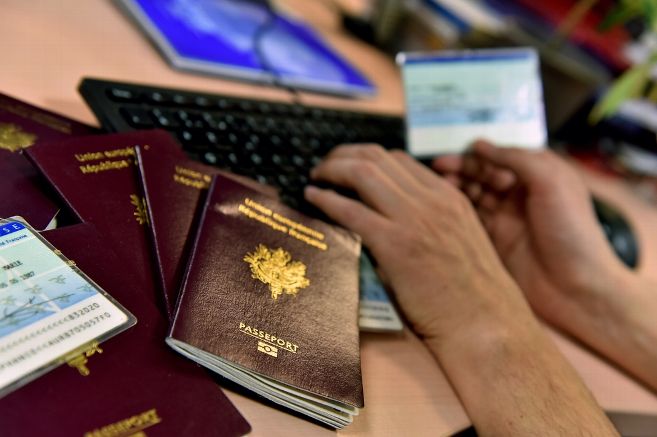
Image: Remote worker on a tropical beach, illustrating the rising digital nomad visa and travel lifestyle in 2026. This “work-from-anywhere” trend also changes how and when people travel. More travelers are extending trips into slow travel – nearly 20% of Airbnb stays in 2024 were longer than 28 days. Governments encourage this by promoting off-season tourism and special permits, which in turn stabilize tourism revenue and reduce overcrowding. Indeed, surveys show two-thirds of tourists now support measures like digital permits or visitor limits to avoid overtourism. Meanwhile, tech-savvy Gen Z and millennials are planning trips with AI assistants and instant itineraries. They often seek wellness retreats, nature-immersive stays, and local experiences (trends that carry a premium). For remote professionals, practical travel info is paramount – high-speed Wi-Fi, work-friendly accommodations, and community hubs (Lisbon, Bali, Barcelona, etc.) often rank above scenery when choosing a destination.
Top Visas & Destinations for Work-Abroad in 2026
- Spain (Digital Nomad Visa): Spain tops many lists with a flexible 1-year nomad visa, extendable to 5 years. Applicants need about €3,000/month (≈$3,300) income. Successful nomads get to enjoy Spain’s culture, climate, and cost of living (~15–20% lower than London/Paris) while working remotely.
- Portugal (D8 Remote-Worker Visa): A favorite for remote workers, Portugal’s D8 visa requires roughly $3,500/month proof of income. It grants up to 1-year residency (renewable up to 5 years) and benefits from Portugal’s English-friendly environment and low crime.
- New Zealand (Working Holiday Visa): For younger travelers (18–35), New Zealand offers an easy Working Holiday Visa that is processed online in as little as 2 weeks. With English widely spoken and outstanding nature, NZ attracts “gap year” and adventure travelers who want both work and hiking/surfing in their itinerary.
- Cambodia (Budget Digital Nomad): Cambodia appeals to digital nomads on a budget. Monthly costs can be as low as $800–$1,500, and its new visas are very straightforward and affordable (often a simple e-visa). The country now has growing co-working scenes in Phnom Penh and Sihanoukville to support long-term stays.
- The Netherlands (Tech & Expat Hub): The Netherlands scores high on English fluency (≈95% English speakers) and has visas for skilled workers (High Skilled Migrant scheme). Major cities (Amsterdam, Eindhoven) host many international companies and startups, making it a top pick for tech and research professionals.
- Other Notables: Countries like Germany (Blue Card for skilled labor), Canada (expat-friendly work permits), UAE (Dubai’s new remote-work visa), and Denmark (work-life balance) also rank highly. InterNations’ 2026 index even lists Panama, UAE, and Spain among the best places to work abroad. (Always check official consulate sites for the latest visa criteria.)
Emerging Travel Trends for 2026
- AI-Driven Planning: Travelers increasingly rely on AI chatbots and tools to plan trips instantly, bypassing old booking sites. Content and itineraries that are AI-friendly (answering “What is the best…” queries) will capture traffic.
- Wellness & Purpose: Wellness travel (spa retreats, mindfulness vacations) continues to grow, especially among younger high earners. “Whycations” – trips driven by how you want to feel – are rising, with destinations like Bhutan (which has a luxury “high-value, low-volume” model) becoming appealing.
- Off-Peak & Slow Tourism: More visitors are embracing off-peak travel for lower prices and authenticity. According to Booking.com trends, over 60% of remote workers consider good workspace a top factor when booking, so off-season months with cheaper coworking spaces are especially attractive.
- Community & Connectivity: Isolation is a concern for remote travelers, so cities with strong expat communities and coworking hubs (e.g. Lisbon, Chiang Mai, Medellín) are in high demand. Time-zone compatibility also shapes choices – many nomads now pick regional hubs to avoid burnout.
- Visa & Document Focus: Travelers are searching terms like “visa assistance” and “expedited visa processing” more than ever. According to SEO experts, service-related queries (“visa help,” “travel documents assistance”) reflect high intent. Ensuring your visa paperwork is in order is a top concern – working without proper authorization can lead to fines or deportation. It’s wise to leverage reputable visa services or consult consulate guides.
Key Takeaways & Action Steps
- Leverage Long-Tail Keywords: If you’re running a travel/visa blog, target specific phrases like “Spain digital nomad visa requirements 2026” or “best countries remote work visa” (long-tail) as well as bottom-funnel terms like “visa application help”.
- Create Quality Content: Top-ranking travel blogs use structured lists, FAQs, and recent stats. Cite authoritative data (like the number of nomad visas or cost-of-living figures) to build trust.
- Optimize for Mobile & Speed: Many travelers research on smartphones. Ensure your site loads fast and has easy navigation.
- Use Clear Calls-to-Action: Encourage readers to get quotes or help with visas. For example, suggest they “contact our travel document specialists” for personalized assistance. In 2026’s market, phrases like “visa assistance” and “travel documentation” convert well.
Travel in 2026 is all about flexibility and preparation. Whether you’re applying for a work visa or planning a luxury getaway, start early, know the latest entry requirements, and consider professional support if needed. Safe travels! For streamlined visa and travel document services, you may wish to reach out to specialized providers like Top Rated Documents (TopRatedDocuments.com) to ensure your paperwork is handled correctly.
Sources: Industry reports and expert analyses on travel trends, remote work visas, and SEO best practices. (All facts above are drawn from recent travel and immigration publications.)
